








Press Release
October 06, 2026
Isuzu and UD Trucks to exhibit at JAPAN MOBILITY SHOW BIZWEEK 2026
Read More
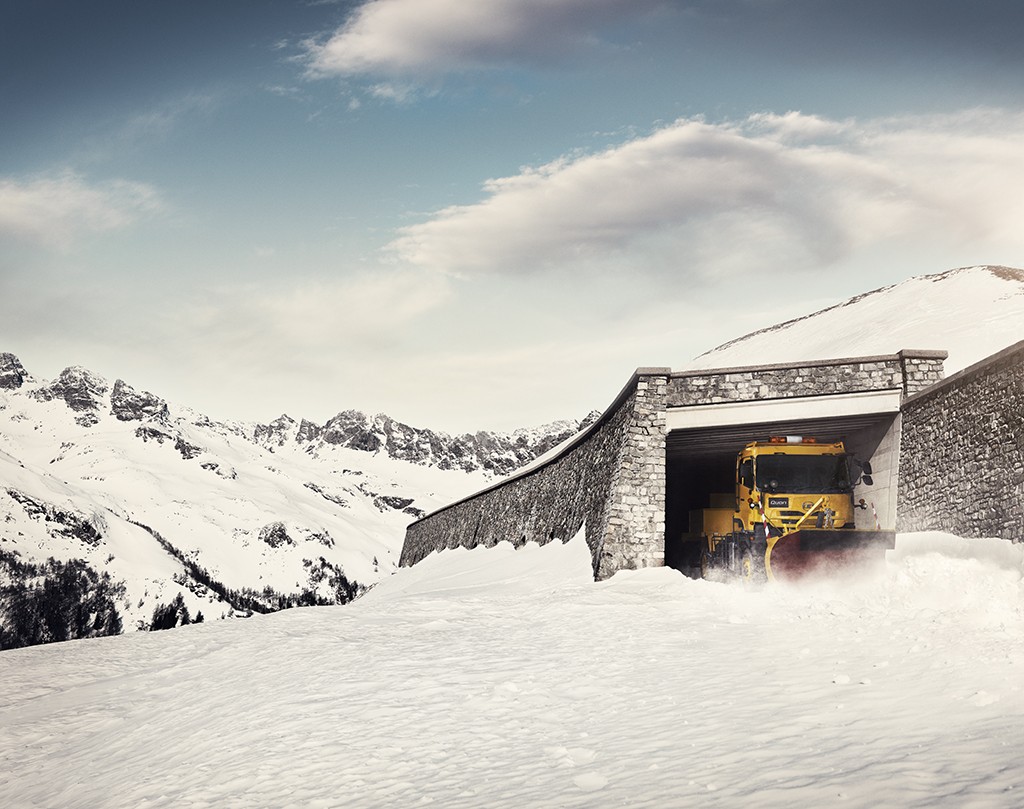
Drivers, technicians, and operations managers who run heavy-duty trucks in cold or snowy regions often face the same issues every winter: fuel gelling, discharged batteries, and loss of traction on icy roads. These problems do more than disrupt schedules—they put safety, uptime, and operating costs at risk.
This guide presents winter maintenance standards that are widely applicable across markets, together with practical checklists that can be used directly in day-to-day operations. It brings together the key elements needed to build winter operations that do not stop when temperatures drop.
Winter-related failures are more than occasional inconveniences. In North America, the logistics industry reports annual losses of several billion dollars caused by cold-weather disruptions. These issues underscore how severely low temperatures can affect vehicle performance, safety, and operating efficiency.
When temperatures fall below freezing, engine oil thickens and increases resistance during startup. Diesel fuel begins forming paraffin crystals, which can clog fuel lines and restrict flow. Battery output may drop to less than half of its normal capacity, placing additional strain on starting systems. These combined factors make trucks far more vulnerable during winter operations.
Winter maintenance is guided by three core principles: preventive preparation, adaptation to environmental conditions, and ensuring safety. These principles align with ISO maintenance standards and internationally recognized approaches to Predictive Maintenance. Applying them consistently helps fleets maintain reliable performance throughout the cold season.
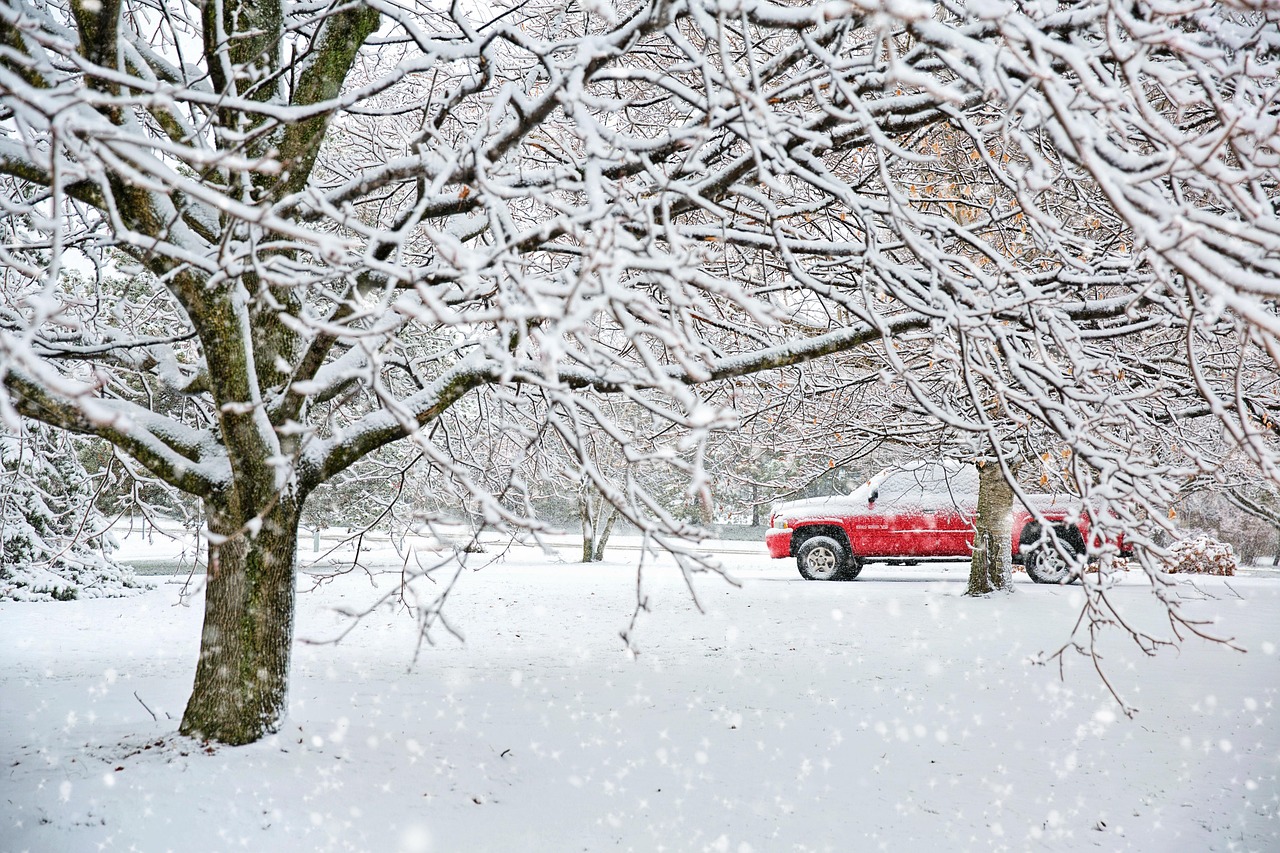
Loss of traction accounts for a considerable share of winter accidents involving heavy-duty trucks. Proper tire selection and correct use of tire chains are central to maintaining stability on icy and snow-covered roads.
Studless tires offer enhanced grip on icy and snowy surfaces. When temperatures consistently fall below 5°C, switching to winter tires is recommended. Maintain a minimum tread depth of 4 mm and check tire pressure at least once a week to ensure optimal performance.
Metal chains provide strong durability, while resin chains offer quieter operation and easier installation. After installing chains, drive 50–100 meters and recheck for any looseness. Observe posted speed limits—typically between 30 and 50 km/h—when driving with chains.
Fuel gelling and cooling-system failures are among the most common causes of cold-weather starting issues. Maintaining an engine environment that performs reliably in low temperatures requires careful preparation of both systems.
Once temperatures drop below −5°C, paraffin crystals begin forming in diesel fuel, restricting flow through the fuel lines. Start switching to winter-grade diesel when ambient temperatures approach 10°C. Keeping the fuel tank at least half full helps reduce condensation and prevents moisture accumulation that can lead to freezing.
A coolant concentration capable of protecting down to −35°C—typically achieved with an ethylene glycol content of 50–60%—is recommended for winter operation. Washer fluid should also be replaced with cold-climate formulations rated for −30°C to −40°C. Avoid mixing different types of fluid, as this may reduce overall performance and freeze protection.
Batteries are particularly susceptible to performance loss in low temperatures. At −18°C, capacity may drop to roughly half of normal levels, while the power required for engine startup nearly doubles. Although typical battery life ranges from three to five years, deterioration progresses faster in cold regions.
Before winter, test battery voltage and capacity using a battery tester. Inspect terminals for corrosion or looseness, and remove any white powder-like buildup with a brush. In extremely cold regions, installing a battery heater or block heater provides an additional safeguard against cold-related failures.
Low temperatures can cause moisture inside air brake systems to freeze, which may reduce braking force or result in complete brake failure. Preventive measures are essential to ensure reliable operation throughout winter.
Water within compressed air can freeze and block airflow, impairing braking performance. Regularly verify that the air dryer is functioning properly, and drain accumulated moisture from the air tank using the drain valve. In colder regions, draining the system daily is recommended.
The differential lock provides effective traction support when a truck becomes stuck on snow or ice. However, improper use can damage the drivetrain. Use the differential lock only when starting from a stop or when attempting to escape low-speed slip conditions. Always disengage it during normal driving or when operating on paved roads.
Smooth engine starts in winter depend on choosing the right oil and applying appropriate warm-up practices. Protecting fuel efficiency and engine durability begins with daily decisions that help the vehicle perform reliably in cold weather.
Low-viscosity oils such as 0W-30 or 5W-30 (SAE standard) maintain fluidity in low temperatures and reduce the load on the engine during startup. Replace oil before winter begins, and in cold regions, consider changing it every 10,000 to 15,000 kilometers.
Extended idling wastes fuel and contributes to carbon buildup inside the engine. For modern trucks, a warm-up period of around 2–3 minutes after startup is sufficient. After that, begin driving under low load so the engine can reach operating temperature naturally during the first part of the trip.
Clear visibility and a comfortable cabin environment contribute directly to safe driving and steady decision-making. Before winter, confirm that the heater operates correctly and check for uneven temperature distribution or unusual noises. A clogged air-conditioning filter reduces heating efficiency, so clean or replace it as needed. Snow-resistant wiper blades should be installed before winter in regions where ice and snow are common.
Breakdowns and blizzards can occur without warning during winter operations. Carry essential items such as winter clothing, blankets, a shovel, tow ropes, traction sand, a flashlight, portable power supplies, emergency tools, and drinking water.
If a truck becomes stranded in a snowstorm, keeping the exhaust outlet clear is critical. When the muffler is blocked by snow, exhaust gases can flow back into the cabin, creating a risk of carbon monoxide poisoning.
Preventing winter-related failures requires phased measures based on ambient temperature. The following schedules and checklists can be used directly in daily operations.
During the pre-winter phase (around 5°C), confirm readiness for winter tires, check and adjust coolant concentration, perform a battery load test, and inspect the fuel system.
In high-winter conditions (0°C to −10°C), complete the switch to winter-grade fuel, increase the frequency of air brake draining, and review warm-up procedures.
Daily inspections include checking tire pressure and external condition, cleaning lights and mirrors, confirming washer fluid and fuel levels, visually inspecting battery terminals, and draining moisture from the air tank.
Weekly inspections cover checking oil level and color, as well as confirming coolant levels.
Monthly inspections include measuring battery voltage and conducting a comprehensive check of the brake system.
Three principles are essential for operating heavy-duty trucks during winter: early action, clear visibility of vehicle condition, and habitual maintenance. Approximately 70% of winter-related issues are attributed to insufficient inspections, underscoring the importance of preparation and daily routines. Maintenance should be regarded not as a cost, but as an investment that protects safety and builds trust.
Use the checklists and schedules introduced in this guide to support your winter operations starting today. Reliable winter performance begins with the maintenance you carry out now.